


Process Controls and Signal Conditioning in Cincinnati, OH
Reliable process controls depend on reliable signals. When a 4-20 mA loop, 0-10 V signal, RTD, or thermocouple input is distorted by electrical noise, grounding problems, or voltage differences, the entire control system can start making decisions from bad data. At M. L. Johnson Company, we provide process controls and signal conditioning equipment in Cincinnati, OH,
for industrial facilities that need cleaner signals, safer I/O, and more dependable communication between field devices and control systems. Since 1964, our team has helped plants throughout the Tri-State region diagnose stubborn loop problems and engineer signal paths that support stable, accurate operation.
Signal Conditioning That Protects the Control Architecture
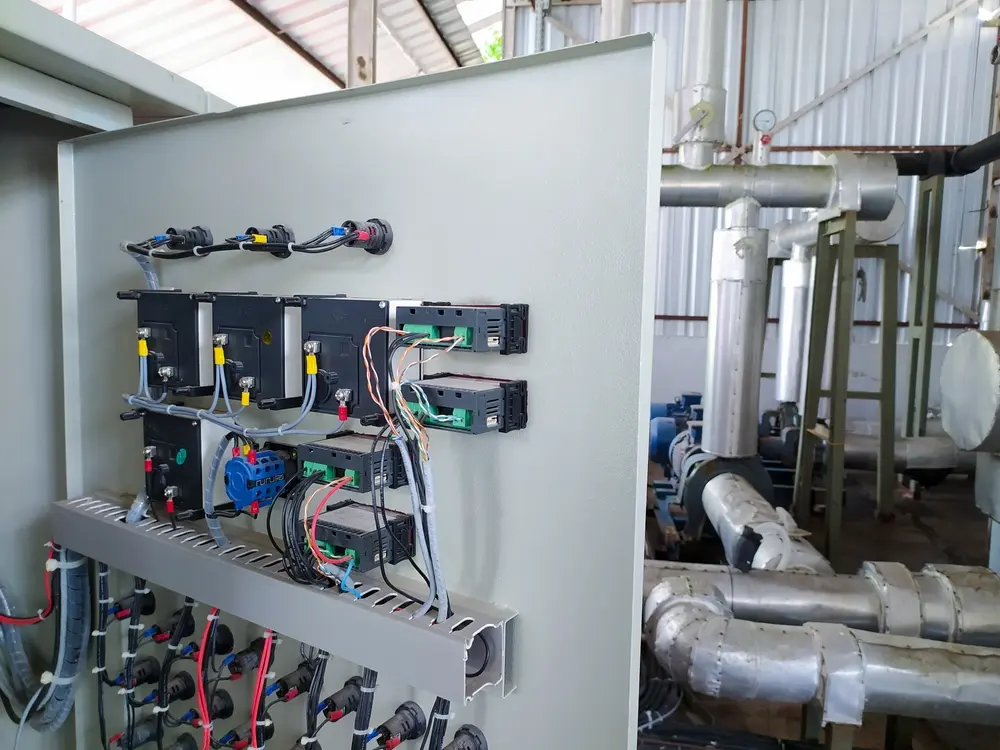
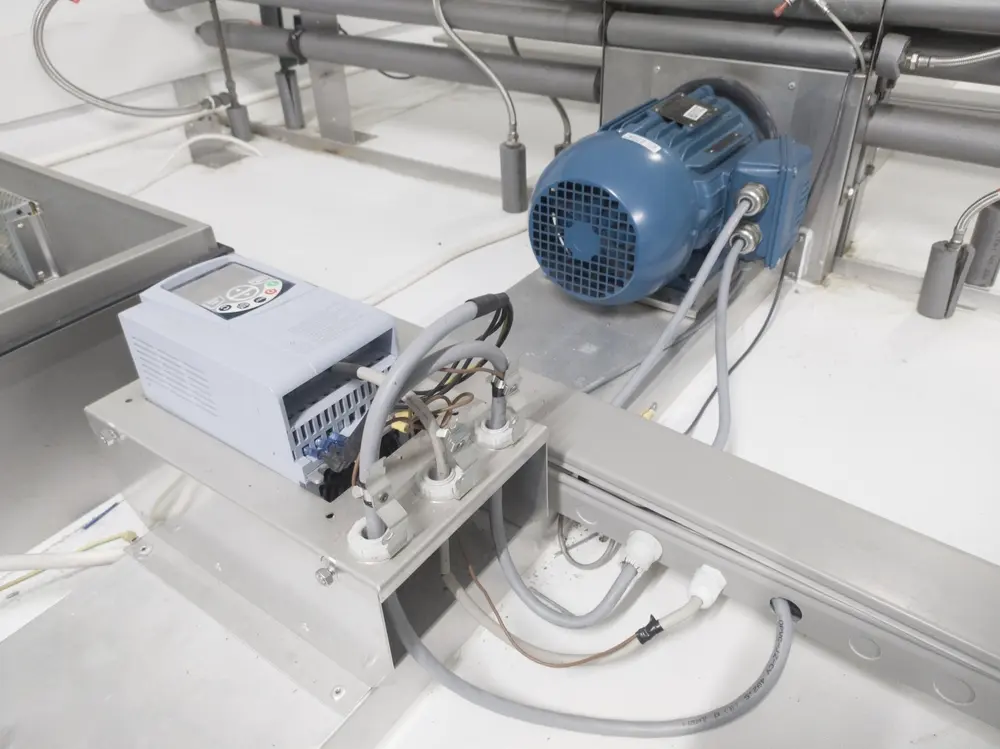
Field signals often travel through electrically noisy environments filled with motors, variable-frequency drives, long cable runs, high-voltage equipment, and multiple grounding points. Those conditions can introduce interference that causes readings to jump, drift, or disappear entirely, even when the field instrument itself is working correctly.
We design signal conditioning solutions around the actual electrical topology of the plant. Our team evaluates signal type, wiring distance, grounding configuration, power supply conditions, interference sources, and the control system receiving the data so we can determine where isolation, conversion, splitting, or amplification is needed.
Ground Loop and Electrical Noise Mitigation
 Ground Loop and Electrical Noise Mitigation
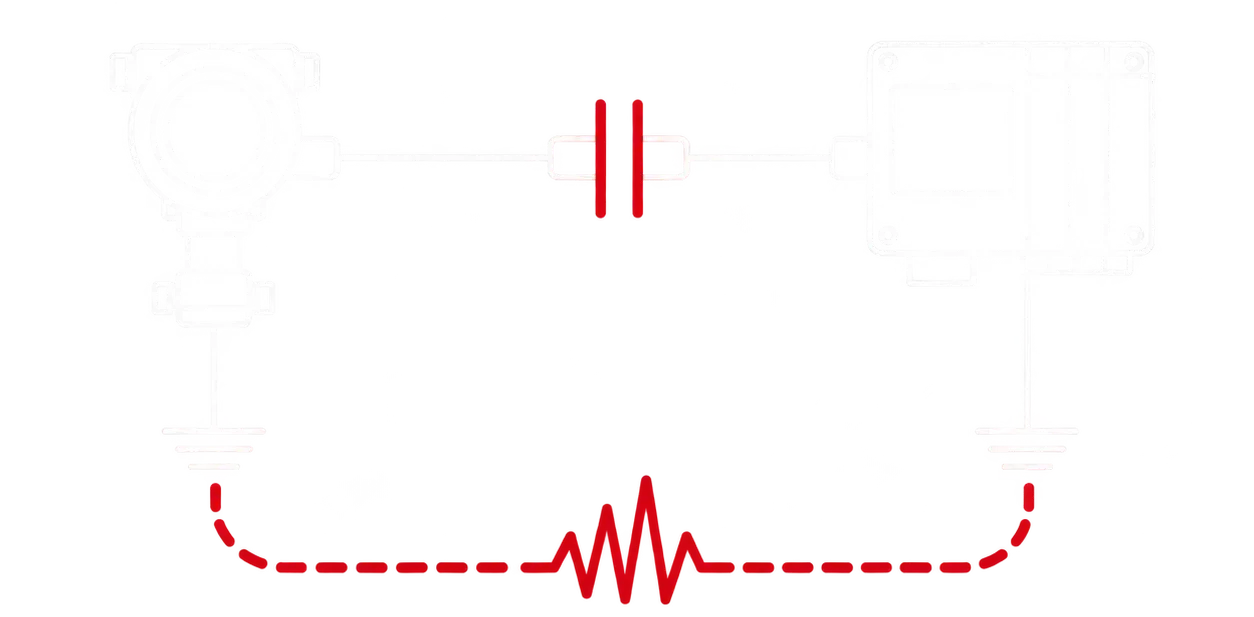
Ground loops are a common source of hard-to-explain process instability. When two points in the same loop sit at different ground potentials, unwanted current can flow through the signal path and distort what the PLC, DCS, or recorder sees.
Ground Loop and Electrical Noise Mitigation
Ground loops are a common source of hard-to-explain process instability. When two points in the same loop sit at different ground potentials, unwanted current can flow through the signal path and distort what the PLC, DCS, or recorder sees.
Our industrial signal isolators in Cincinnati can be selected to provide the level of galvanic isolation appropriate to the application, including 2-way or 3-way isolation where required. By separating field devices electrically from downstream control hardware, we can help reduce the effects of ground potential differences, EMI/RFI interference, and high-voltage spikes that might otherwise damage sensitive I/O cards or corrupt process data.
 Protecting PLC and DCS Inputs From Signal Problems
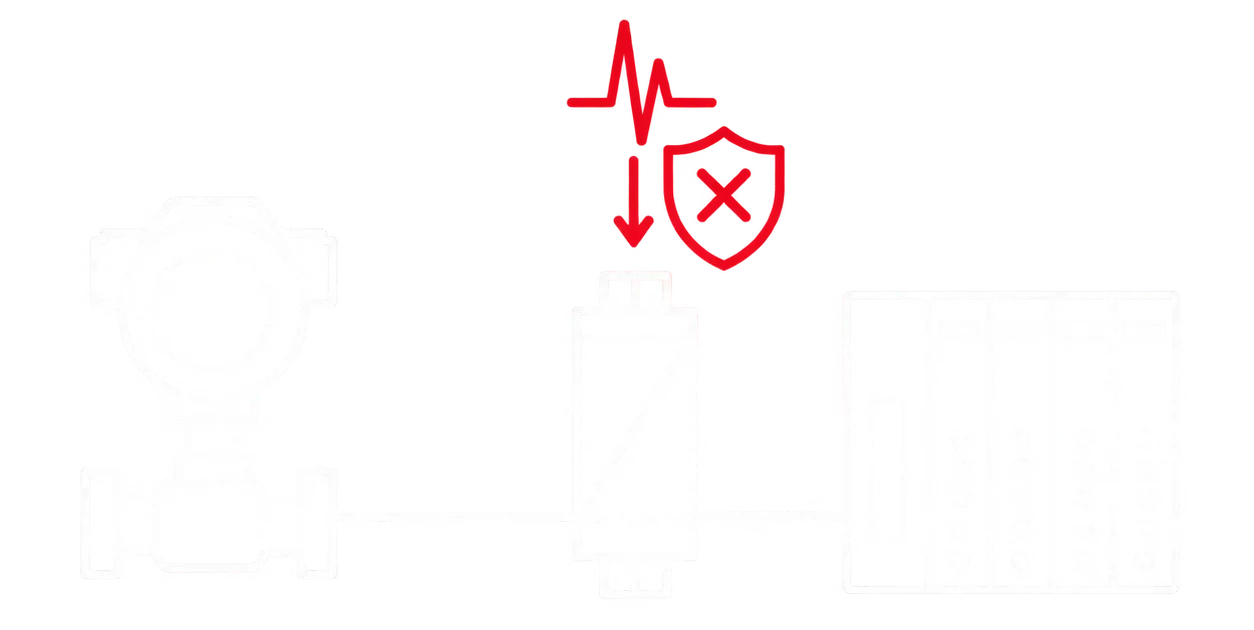
Replacing an input card because of an avoidable electrical fault is an expensive way to discover that a loop needed better isolation. Voltage spikes, induced noise, improper grounding, and field-side faults can all create conditions that threaten control-system hardware.
Protecting PLC and DCS Inputs From Signal Problems
Replacing an input card because of an avoidable electrical fault is an expensive way to discover that a loop needed better isolation. Voltage spikes, induced noise, improper grounding, and field-side faults can all create conditions that threaten control-system hardware.
We approach signal conditioning as both a data-quality and equipment-protection problem. Proper isolation can create an electrical barrier between the field and the control system, helping protect expensive PLC and DCS inputs while also improving the consistency of the measurement reaching the controller.
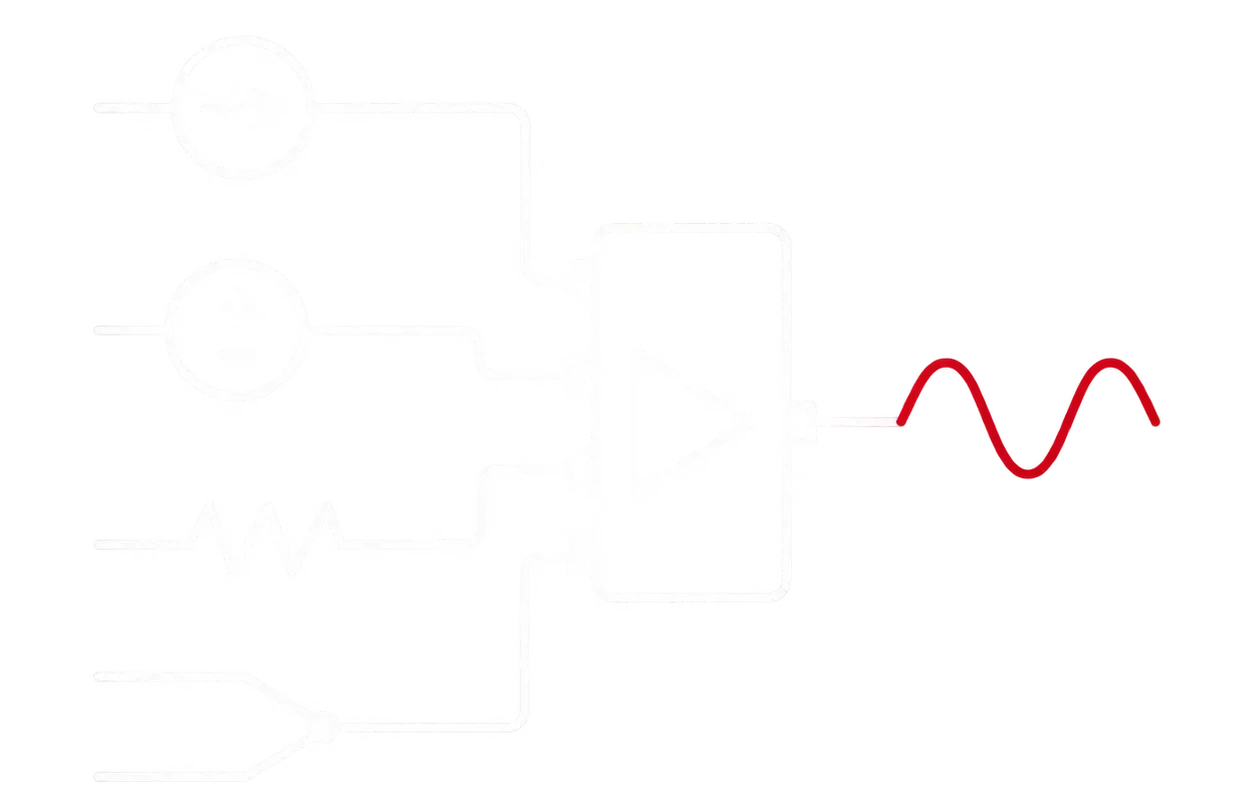 4-20 mA, 0-10 V, RTD, and Thermocouple Conditioning
Industrial plants often have several generations of instrumentation operating side by side. One panel may include conventional 4-20 mA transmitters, 0-10 V devices, RTDs, thermocouples, discrete signals, and newer digital instruments, all of which need to communicate reliably with the control architecture.
4-20 mA, 0-10 V, RTD, and Thermocouple Conditioning
Industrial plants often have several generations of instrumentation operating side by side. One panel may include conventional 4-20 mA transmitters, 0-10 V devices, RTDs, thermocouples, discrete signals, and newer digital instruments, all of which need to communicate reliably with the control architecture.
We support conditioning and conversion across common industrial signal types so incompatible devices can be incorporated into a workable system. Our process control solutions in the Ohio Valley can include isolation, signal scaling, re-transmission, splitting, and conversion between field signals and the input requirements of PLCs, DCS platforms, remote I/O, recorders, and other equipment.
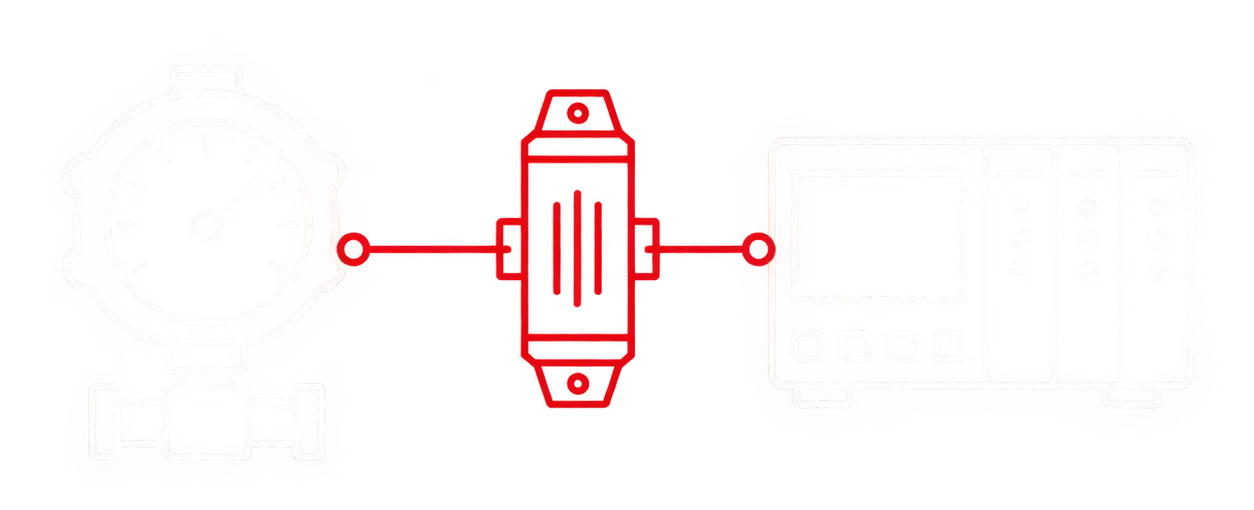 Bridging Legacy Instruments With Modern Control Systems
Plants rarely replace every instrument and control component at the same time. As automation platforms are upgraded, older but still useful analog instruments may need to communicate with newer digital, fieldbus, or Ethernet-based infrastructure.
Bridging Legacy Instruments With Modern Control Systems
Plants rarely replace every instrument and control component at the same time. As automation platforms are upgraded, older but still useful analog instruments may need to communicate with newer digital, fieldbus, or Ethernet-based infrastructure.
Universal signal converters and conditioning modules can provide that bridge without forcing an unnecessary wholesale replacement of field equipment. We help evaluate how existing analog measurements should be converted, isolated, or re-transmitted so legacy assets can continue serving the process while the broader control system moves forward.
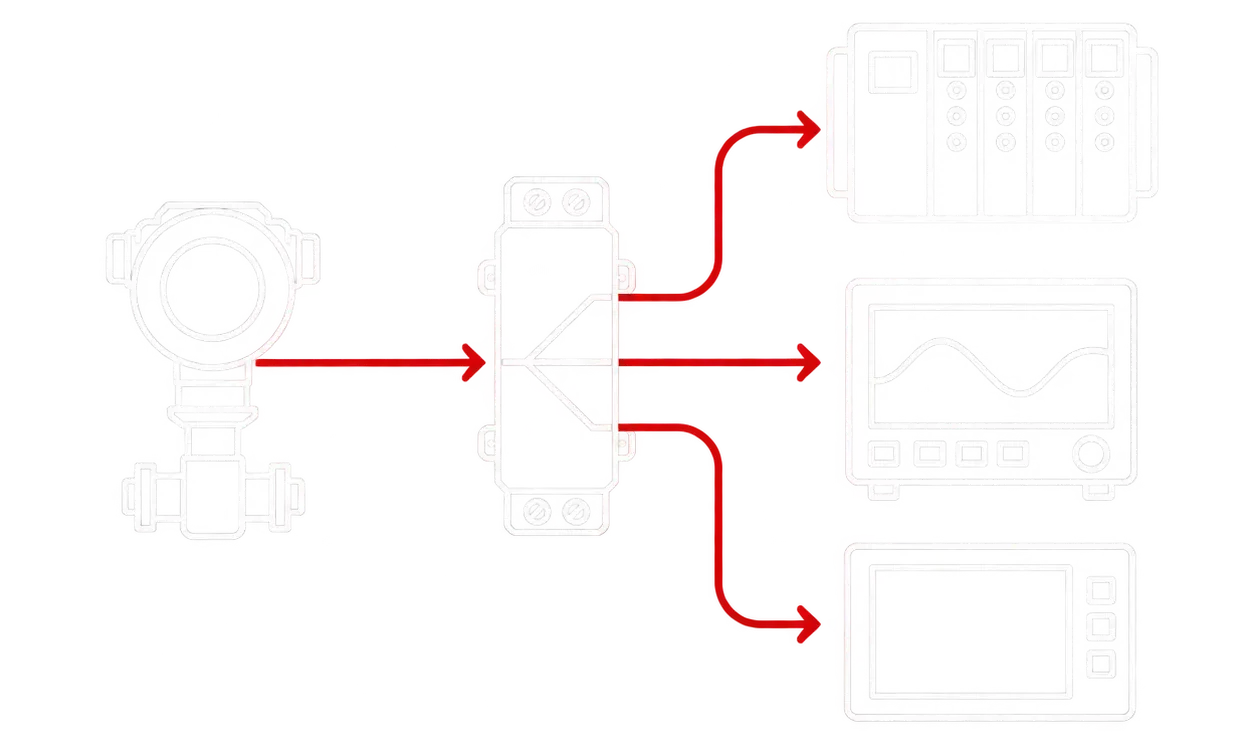 Signal Splitters for Multiple Data Consumers
A single process measurement may need to serve several systems at once. Operators may want the same transmitter signal available to a PLC, local display, historian, recorder, safety system, or secondary monitoring platform.
Signal Splitters for Multiple Data Consumers
A single process measurement may need to serve several systems at once. Operators may want the same transmitter signal available to a PLC, local display, historian, recorder, safety system, or secondary monitoring platform.
Simply tying multiple devices into the same loop can introduce loading or grounding problems if it is not engineered correctly. Signal splitters can provide isolated outputs from one input, allowing the same measurement to feed multiple destinations while maintaining electrical separation between receiving systems.
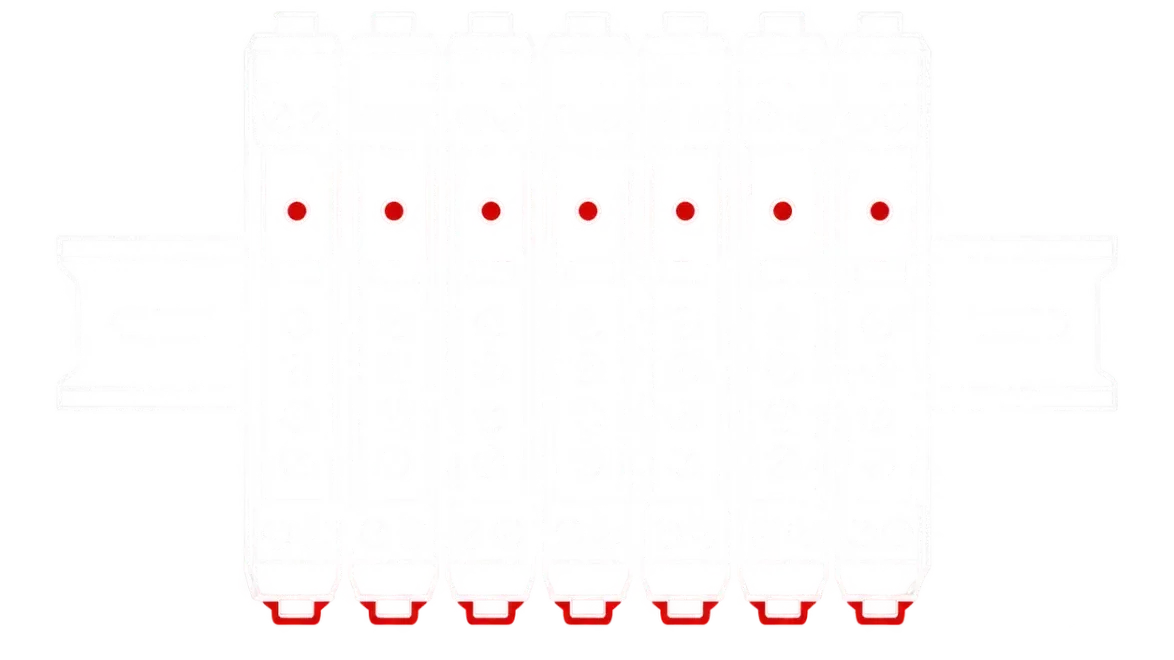 High-Density DIN-Rail Hardware for Control Panels
Control panels are often short on space, particularly in retrofit applications where new functionality must be added without rebuilding an entire enclosure. High-density DIN-rail signal conditioning modules provide a practical way to add isolation, conversion, and distribution while minimizing panel footprint.
High-Density DIN-Rail Hardware for Control Panels
Control panels are often short on space, particularly in retrofit applications where new functionality must be added without rebuilding an entire enclosure. High-density DIN-rail signal conditioning modules provide a practical way to add isolation, conversion, and distribution while minimizing panel footprint.
We work with hardware designed for industrial environments, including modules with wide operating temperature ranges, low power consumption, and high channel density. Those characteristics matter in crowded panels, remote enclosures, and manufacturing environments where heat, vibration, and limited cabinet space can affect long-term reliability.
Loop Troubleshooting Goes Beyond Replacing Modules
A noisy or unstable signal is not always caused by the device that appears to be failing. Poor cable shielding, incorrect grounding, shared commons, power supply variation, improper scaling, induced voltage, or installation changes elsewhere in the plant can all create symptoms that look like an instrument problem.
Our engineers troubleshoot the entire loop rather than assuming the first suspicious component should be replaced. By reviewing field wiring, signal levels, isolation, power, grounding, and control-system configuration together, we can often identify the real source of degradation and avoid repeated component swaps that never address the underlying issue.
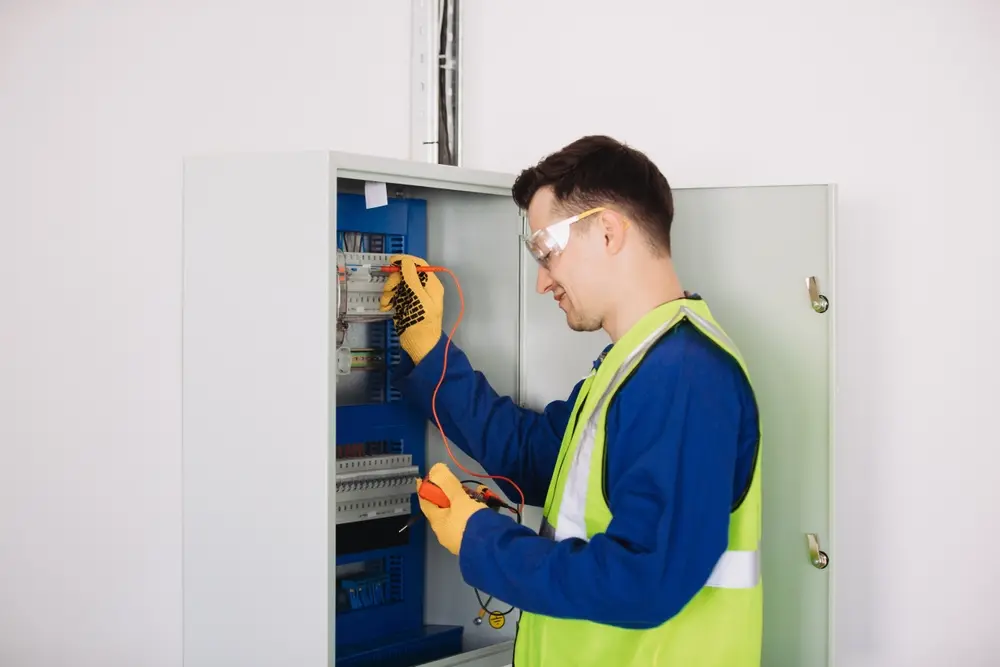
On-Site Signal Audits and Loop Checking
Some signal problems are impossible to diagnose accurately from drawings alone. Electrical conditions in the field, routing near high-energy equipment, panel modifications, long cable distances, and undocumented wiring changes can all affect signal integrity.
Read More
We provide on-site troubleshooting, loop checking, and application audits across Greater Cincinnati, Dayton, and Northern Kentucky. Seeing the installation directly allows us to test assumptions, verify loop behavior, and recommend hardware based on actual plant conditions rather than incomplete documentation.
Application-Specific Isolation and Conversion
Signal conditioning hardware should be selected around the problem it needs to solve. A basic isolator may be sufficient in one application, while another may require 3-way galvanic isolation, channel-to-channel separation, signal conversion, hazardous-area considerations, or specific output behavior during a fault.
Read More
We evaluate the electrical and process requirements before specifying equipment. That application-first approach helps avoid both under-engineering, where the problem remains, and over-engineering, where the plant pays for capabilities that are not necessary.
Supporting Stable Process Control Loops
Signal quality has a direct effect on control-loop stability. If the process variable reaching the controller is noisy or inconsistent, the PID loop may react to false changes, causing unnecessary valve movement, erratic motor control, or cycling that operators struggle to explain.
Clean, properly conditioned signals give the control system a more accurate representation of what is happening in the process. That improves the quality of the decisions made by the controller and can reduce nuisance alarms, unexplained trips, excessive actuator movement, and unnecessary troubleshooting.

Why Plant Teams Choose M. L. Johnson Company
M. L. Johnson Company has served industrial customers since 1964, giving our team more than 60 years of experience with field instrumentation, signal conditioning, automation, and process control. We do not treat signal isolators and converters as commodity modules because the right hardware depends on the electrical environment and the way the measurement is used.
Our regional presence also gives customers access to local technical support when a signal problem is affecting production. That combination of application knowledge and field availability is especially valuable when a plant is trying to diagnose an issue that has already resisted routine maintenance troubleshooting.
Our capabilities include:
- 4-20 mA signal isolation and conversion
- 0-10 V signal conditioning
- RTD and thermocouple conversion
- 2-way and 3-way galvanic isolation
- Ground loop mitigation
- EMI/RFI noise reduction
- Signal splitting and retransmission
- Legacy-to-modern signal conversion
- High-density DIN-rail modules
- PLC, SCADA, and DCS interface support
- On-site loop checking
- Field troubleshooting and application audits
A signal isolator electrically separates parts of a control loop while passing the measurement signal through. This can help reduce ground-loop currents, protect control-system inputs, and improve signal reliability.
Common symptoms include unstable values, unexplained offsets, drifting measurements, or signals that change when other equipment starts or stops. We can evaluate grounding, wiring, and signal behavior to determine whether a ground loop is involved.
Yes, we can help bridge legacy analog instrumentation with newer PLC, DCS, and digital control architectures. The exact hardware depends on the input signal, required output, isolation needs, and communication environment.
Yes, we support on-site loop checking, field troubleshooting, and application audits throughout Greater Cincinnati, Dayton, and Northern Kentucky. Field evaluation is often the fastest way to diagnose complex interference or grounding problems.
Two-way isolation separates the input from the output, while 3-way isolation also isolates the power supply from both signal sides. The correct choice depends on the loop design, grounding arrangement, and potential interference sources.
Yes, properly selected isolation can help shield PLC or DCS inputs from field-side voltage differences, noise, and transient events. The appropriate protection depends on the actual electrical conditions and hardware ratings.
Give Your Control System Cleaner, More Reliable Data
Stable process control starts with signal integrity. At M. L. Johnson Company, we combine more than 60 years of industrial experience with application engineering, signal isolation, conversion, loop troubleshooting, and local field support to help plants improve the quality of the data reaching their PLC, SCADA, and DCS systems. So whether you’re dealing with ground loops, noisy 4-20 mA signals, legacy instrumentation, repeated I/O failures, or an unexplained control-loop problem, our team can evaluate the complete signal path and recommend a practical solution. Just contact us today to discuss your application and put cleaner, more dependable signals into your control architecture.