


Industrial Gas Detection and Hazardous Area Safety Solutions in Cincinnati, OH
Invisible atmospheric hazards can become serious plant risks long before operators see or smell a problem. At M. L. Johnson Company, we provide industrial gas detection and hazardous area safety equipment in Cincinnati, OH, for facilities that need dependable monitoring of toxic gases, combustible vapors, and oxygen conditions. Since 1964, our engineering team has helped industrial customers throughout the Tri-State region select, integrate, calibrate, and maintain fixed gas monitoring systems around real process conditions. As an experienced gas detector supplier, we focus on sensor technology, placement, classified-area requirements, alarm strategy, and long-term maintainability rather than treating gas detection as a simple hardware purchase.
Gas Detection Starts With a Hazard Evaluation
Installing detectors at convenient wall locations does not necessarily create an effective safety system. Gas behavior changes depending on molecular weight, airflow, ventilation patterns, equipment layout, temperature, release point, and whether the hazard is toxic, combustible, or related to oxygen displacement.
We evaluate those conditions before recommending equipment or sensor locations. Our team considers the chemicals present, likely leak sources, occupied areas, airflow paths, mounting height, potential cross-sensitivities, and how quickly personnel need to be alerted. That engineering process helps determine detector quantity, coverage geometry, alarm points, and whether voting logic or redundant sensing should be considered for critical applications.
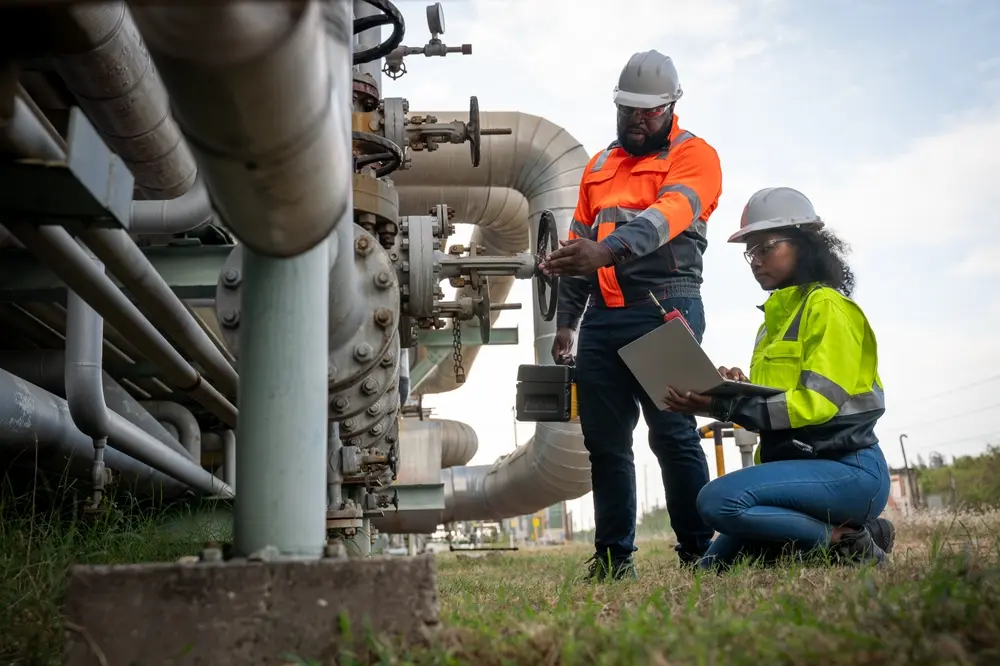
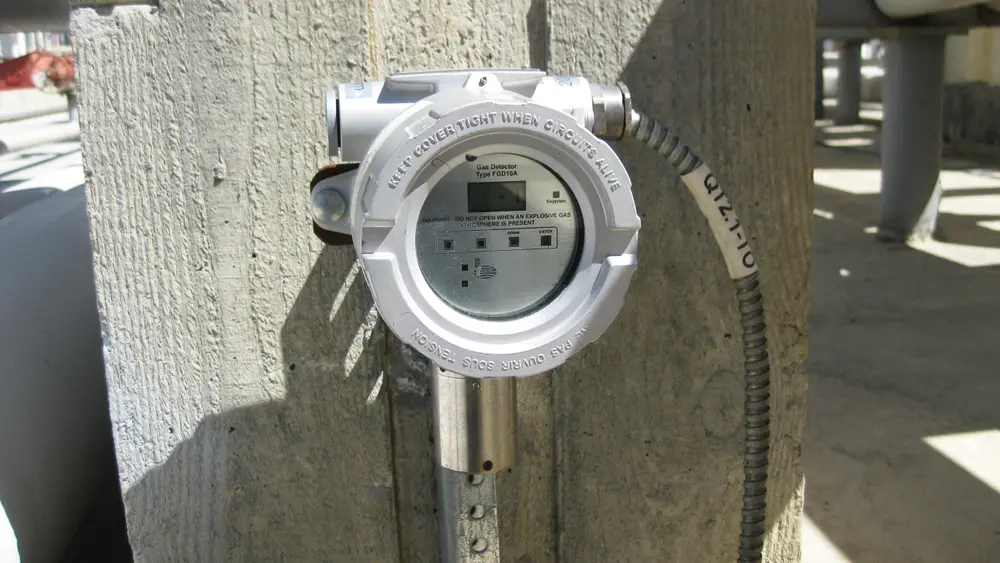
Monitoring Toxic and Combustible Gases
Different gases require different sensing strategies. Hydrogen sulfide, carbon monoxide, chlorine, and ammonia present toxic exposure concerns, while combustible gases and vapors are commonly monitored relative to their lower explosive limit, or LEL. Oxygen deficiency can create another hazard when inert gases or process releases displace breathable air.
We select the sensing method around the actual chemical and operating environment. The right detector needs to recognize the hazard reliably without creating unnecessary nuisance alarms or being overly vulnerable to poisoning and interference.
Key Gas Detection and Hazardous Area Capabilities
 Selecting the Right Sensor Technology
Catalytic bead, infrared, photoionization, and electrochemical sensors each respond differently to gases and environmental conditions. Choosing the wrong technology can create drift, poor sensitivity, excessive maintenance, cross-interference, or false confidence in a sensor that is not well suited to the application.
Selecting the Right Sensor Technology
Catalytic bead, infrared, photoionization, and electrochemical sensors each respond differently to gases and environmental conditions. Choosing the wrong technology can create drift, poor sensitivity, excessive maintenance, cross-interference, or false confidence in a sensor that is not well suited to the application.
Our application engineers evaluate gas type, concentration range, ambient temperature, humidity, potential contaminants, oxygen availability, and expected service conditions before specifying a detector. We also consider known cross-sensitivities and sensor poisoning risks so the measurement technology is selected around the plant environment rather than simply around the gas name.
 Fixed Gas Monitoring Systems for Continuous Protection
Portable detectors are important for many work practices, but fixed gas monitoring systems provide continuous surveillance in areas where atmospheric hazards can develop without warning. Permanently installed detectors can monitor process rooms, storage areas, loading zones, compressor spaces, chemical feed areas, and other locations where a release may create a persistent or rapidly developing hazard.
Fixed Gas Monitoring Systems for Continuous Protection
Portable detectors are important for many work practices, but fixed gas monitoring systems provide continuous surveillance in areas where atmospheric hazards can develop without warning. Permanently installed detectors can monitor process rooms, storage areas, loading zones, compressor spaces, chemical feed areas, and other locations where a release may create a persistent or rapidly developing hazard.
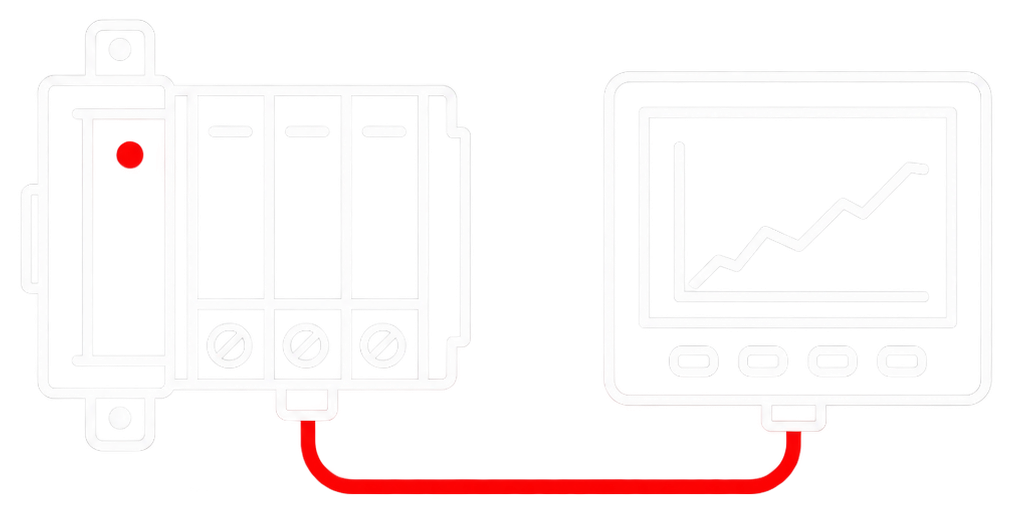
We engineer fixed systems as part of the facility’s larger safety architecture. Detector signals can be routed to dedicated gas monitoring panels, PLCs, DCS platforms, safety systems, or other supervisory controls depending on the application and facility requirements.
 Classified Area and Hazardous Location Expertise
Gas detection equipment installed in classified locations must be selected with the electrical area classification in mind. Chemical plants, refineries, processing facilities, and manufacturing operations may require explosion-proof or intrinsically safe equipment depending on the hazard and installation zone.
Classified Area and Hazardous Location Expertise
Gas detection equipment installed in classified locations must be selected with the electrical area classification in mind. Chemical plants, refineries, processing facilities, and manufacturing operations may require explosion-proof or intrinsically safe equipment depending on the hazard and installation zone.
Our team works with NEC Class I, Division 1 and Division 2 environments as well as Zone 0, Zone 1, and Zone 2 requirements where applicable. We review detector approvals, enclosure ratings, wiring methods, power requirements, and installation conditions so the selected equipment is appropriate for the classified area and the facility’s engineering standards.
 Alarm Panels, Annunciators, and Safety Interlocks
A detector is only useful if its alarm reaches the right people and triggers the correct response. Depending on the process, a gas alarm may need to activate local horns and strobes, notify a central control room, start exhaust ventilation, close valves, or initiate an emergency shutdown sequence.
Alarm Panels, Annunciators, and Safety Interlocks
A detector is only useful if its alarm reaches the right people and triggers the correct response. Depending on the process, a gas alarm may need to activate local horns and strobes, notify a central control room, start exhaust ventilation, close valves, or initiate an emergency shutdown sequence.
We can integrate field detectors with central safety control panels, visual and audible annunciators, ventilation interlocks, and ESD systems. Alarm voting logic can also be considered where a process requires confirmation from multiple detectors before initiating a major automatic action.
Sensor Placement Matters as Much as Sensor Selection
Improper mounting height or poor placement can leave a detector in clean air while a hazardous gas accumulates elsewhere. Gas density, ventilation, release velocity, ceiling structure, pits, ducts, and equipment obstructions all influence where a detector should be located.
We evaluate the physical space rather than relying on generic spacing rules alone. That may mean positioning detectors near likely release points, occupied zones, ventilation returns, low areas, elevated areas, or other locations where the specific gas is likely to accumulate or travel.
Calibration, Support, and Documentation Services
Calibration, Bump Testing, and Sensor Maintenance
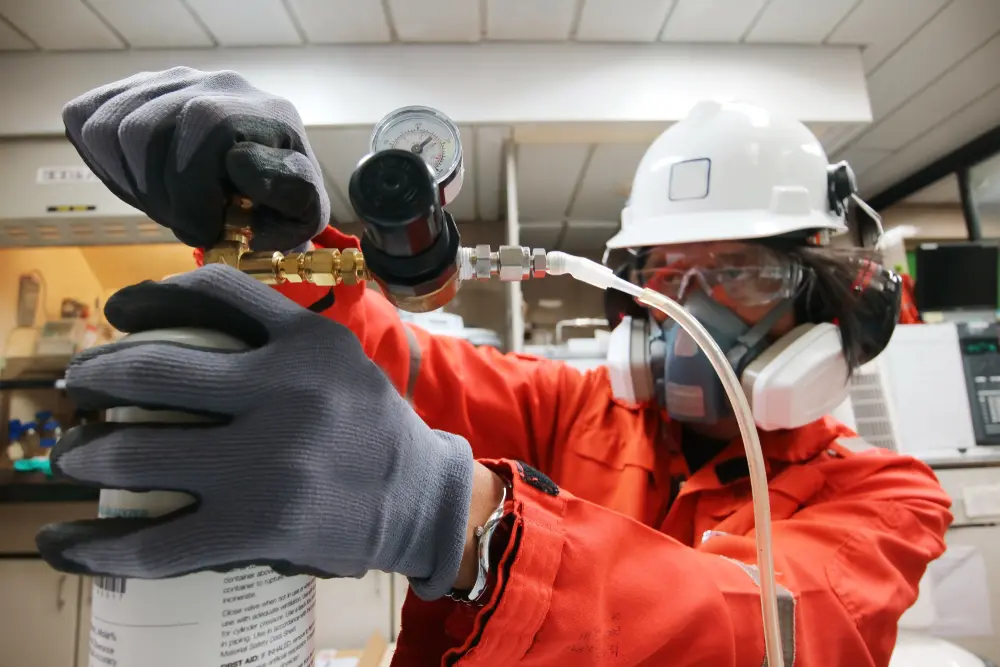
Gas detectors require ongoing verification because sensor performance changes with age, contamination, environmental exposure, and chemical contact. A detector that powers on is not necessarily a detector that will respond correctly when the target gas is present.
Read More
Our field technicians support routine bump testing, span calibration, sensor head replacement, troubleshooting, and maintenance documentation. We can also help establish service practices that reflect manufacturer recommendations, process risk, and facility requirements rather than assuming every detector should follow the same interval.
Documentation for Safety and Compliance Programs
Gas detection systems are often part of broader occupational safety, fire protection, environmental, and risk-management programs. Accurate calibration records, maintenance histories, detector identification, and test results can become important during audits, inspections, incident reviews, and internal safety assessments.
Read More
We provide documented calibration and maintenance information to help facilities support their OSHA, NFPA, EPA, and internal compliance programs as applicable. Our role is to give plant teams accurate records and properly maintained instrumentation that can support a defensible safety program.
Full-Lifecycle Safety System Support
We support plant teams beyond original system commissioning because gas detection is a critical life-safety function. Long-term protection requires verified calibration, sensor testing, functional alarm checks, and documented maintenance.
We customize our field service scope to each plant’s process safety management requirements, whether supporting a single toxic gas monitor or an integrated facility-wide detection array.
Onsite Calibration and Field Response
When an alarm panel indicates a sensor fault, zero drift, or failure, fast local technical response is essential for keeping personnel safe and avoiding unnecessary process delays.
Our field support team offers routine bump testing, span gas calibration, sensor replacements, and emergency site troubleshooting throughout Greater Cincinnati, Northern Kentucky, and surrounding industrial corridors.
Serving Industrial Operations Across the Ohio Valley
Our Cincinnati engineering group supports chemical processors, refineries, manufacturing plants, water treatment facilities, and industrial operations across Ohio, Indiana, Kentucky, and West Virginia.
Combining hazard evaluation expertise with direct regional field technical support, we help local health, safety, and environmental (HSE) teams maintain compliant, reliable gas detection coverage.
Local Engineering Support Across the Tri-State Region
When a gas detection problem affects a life-safety system, waiting for distant technical support can create unnecessary operational risk. Our local team supports facilities throughout Greater Cincinnati, Northern Kentucky, and surrounding Ohio, Kentucky, and Indiana industrial areas.
We can respond to routine calibration needs, planned maintenance, detector failures, and emergency site evaluations. That regional presence is especially valuable when a plant needs someone who understands both the instrumentation and the process environment around it.
Why Choose M. L. Johnson Company?
Since 1964, we have worked with industrial instrumentation, controls, automation, and safety systems across the Cincinnati and Tri-State manufacturing corridor. That experience allows us to look beyond the detector itself and evaluate how the device interacts with the process, electrical classification, alarm system, ventilation strategy, and emergency response architecture.
Our capabilities include:
- Toxic, combustible, and oxygen gas detection
- H2S, CO, chlorine, ammonia, and LEL monitoring
- Catalytic bead, IR, PID, and electrochemical sensors
- Fixed gas monitoring systems and control panels
- Classified area expertise (Class I, Div 1/2 & Zones)
- Explosion-proof and intrinsically safe designs
- Alarm annunciation, horns, strobes, and interlocks
- Ventilation control and ESD integration
- Sensor placement and atmospheric hazard evaluation
- Onsite bump testing and calibration services
- OSHA, NFPA, and EPA compliance documentation
- Local field service and emergency troubleshooting
We evaluate the gas type, likely release points, molecular behavior, airflow, ventilation, room geometry, occupied areas, and process equipment. Those factors help determine mounting height, detector location, quantity, and coverage.
Systems can be configured for gases such as H2S, CO, chlorine, ammonia, combustible gases, and oxygen conditions depending on the sensor technology. We select detectors around the specific process hazard and operating environment.
Yes, we can help select equipment with appropriate hazardous-area approvals for applicable classified locations. Final equipment selection depends on the facility’s area classification, wiring method, and engineering requirements.
Calibration frequency depends on sensor type, manufacturer guidance, process exposure, environmental conditions, and facility safety practices. We can help establish a maintenance schedule that fits the actual application.
Yes, fixed detectors can be integrated with alarm panels, ventilation interlocks, PLC or DCS systems, and emergency shutdown functions when the control philosophy calls for it. We can assist with the integration and alarm logic.
Yes, we provide local troubleshooting and field support throughout the Greater Cincinnati and Northern Kentucky industrial corridor. Response depends on technician availability and the specific service required.
Build Gas Detection Around the Actual Hazard
A dependable gas detection system requires more than installing sensors and checking a box. It requires the right sensing technology, correct placement, appropriate hazardous-area approvals, reliable alarm integration, and a maintenance program that keeps detectors responsive throughout their service life. At M. L. Johnson Company, we combine more than 60 years of industrial experience with application engineering, fixed gas monitoring, classified-area expertise, control-system integration, calibration, and local field support. Just contact our team today to review your facility’s atmospheric hazards, troubleshoot an existing system, or develop a gas detection solution engineered around the way your process actually operates.