


Food and Beverage Process Instrumentation Solutions in Cincinnati, OH
Food and beverage plants depend on instrumentation that can do more than survive production. Sensors must provide repeatable measurements, tolerate aggressive washdowns and thermal cycling, and support hygienic designs that minimize areas where product residue can collect. At M. L. Johnson Company, we provide food and beverage process instrumentation in Cincinnati, OH, for processors that need accurate flow, pressure, temperature, level, and analytical measurement across sanitary applications. Since 1964, our engineering team has helped plants throughout the Ohio Valley select instrumentation around the actual product, cleaning protocol, process temperature, and control architecture rather than relying on general-purpose industrial hardware.
Sanitary Instrumentation Starts With Hygienic Process Design
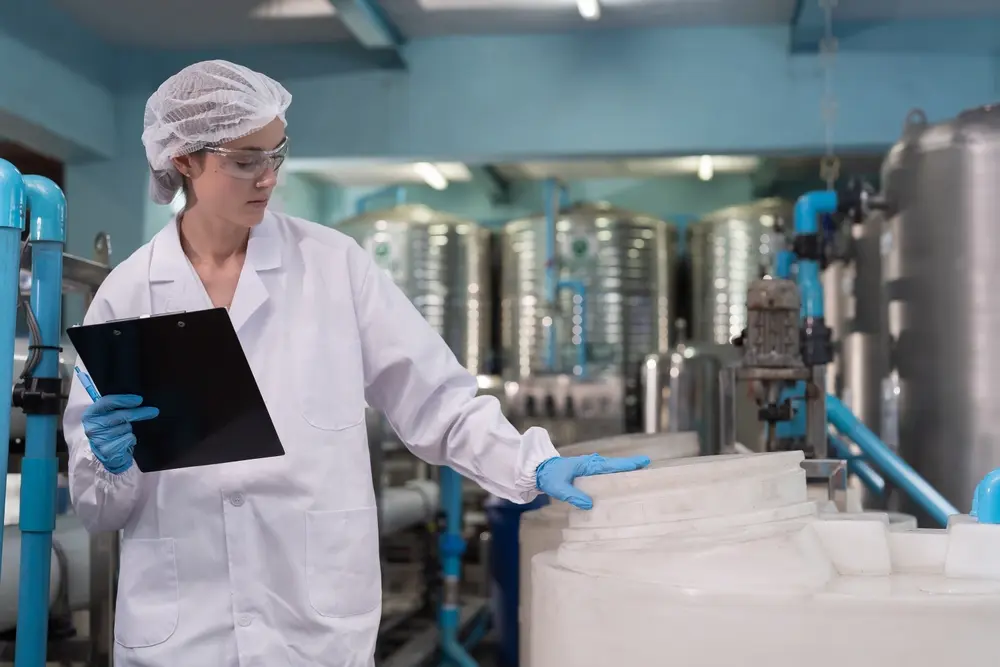
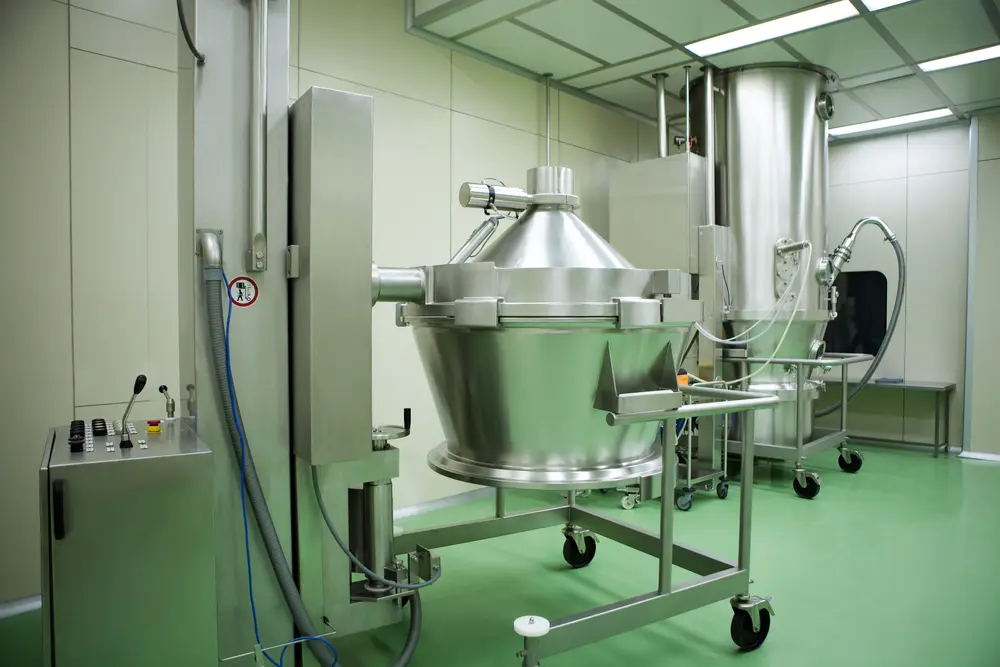
Food, dairy, brewery, beverage, and pharmaceutical applications require a different engineering mindset than conventional industrial service. A sensor may be accurate and mechanically reliable yet still be inappropriate if its process connection creates a dead leg, exposed thread, cavity, or micro-crevice where product can collect between cleaning cycles.
As a sanitary instrumentation supplier, we evaluate process geometry along with measurement performance. That includes the connection style, sensor insertion, gasket interface, surface finish, washdown exposure, product viscosity, and sanitization temperature. Our goal is to specify hygienic sensors that fit the measurement requirement while also supporting the plant’s sanitation strategy.
3-A, EHEDG, and FDA-Oriented Instrument Selection
Sanitary hardware may need to align with industry-specific design and documentation requirements, including 3-A Sanitary Standards, EHEDG guidelines, and applicable FDA requirements. Those considerations can affect everything from wetted materials and surface finish to connection geometry and the way process data is recorded.
We help customers identify instrumentation with the appropriate certifications, materials, and design features for their application. For systems involving electronic records or process traceability, we can also work with instrumentation and control architectures that support broader FDA 21 CFR Part 11 strategies when required by the facility.
Hygienic Materials, Connections, and Thermal Performance
 Hygienic Wetted Materials and Surface Finishes
Material selection matters anywhere the sensor comes into direct contact with food, beverage, dairy, or pharmaceutical product. Electropolished 316L stainless steel is common in sanitary service because it provides corrosion resistance while supporting smooth, cleanable surfaces.
Hygienic Wetted Materials and Surface Finishes
Material selection matters anywhere the sensor comes into direct contact with food, beverage, dairy, or pharmaceutical product. Electropolished 316L stainless steel is common in sanitary service because it provides corrosion resistance while supporting smooth, cleanable surfaces.
Depending on the application, we can help specify instrumentation with surface finishes down to Ra ≤ 0.4 μm, food-contact elastomers such as EPDM or FKM, and materials appropriate for more stringent sanitary requirements. We also evaluate gasket compatibility, chemical exposure, temperature, and cleanability so the wetted assembly is matched to both the product and the cleaning process.
 Flush Diaphragms and Gap-Free Process Connections
A standard threaded or recessed pressure connection can create areas where viscous product accumulates. In sanitary processing, those trapped areas may be difficult to clean effectively and can interfere with both hygiene and measurement response.
Flush Diaphragms and Gap-Free Process Connections
A standard threaded or recessed pressure connection can create areas where viscous product accumulates. In sanitary processing, those trapped areas may be difficult to clean effectively and can interfere with both hygiene and measurement response.
We support flush-mount and gap-minimized sanitary designs using connection styles such as Tri-Clamp, Varivent, SMS, and other appropriate hygienic interfaces. These configurations can be especially valuable in dairy, sauces, syrups, fermentation, filling, and other applications where product buildup or residue can affect sanitation and sensor performance.
 Instrumentation Built for CIP and SIP Cycles
Clean-in-place and steam-in-place cycles expose instrumentation to conditions that can be more severe than normal production. Repeated exposure to caustic solutions, acids, hot water, and high-temperature steam can damage ordinary sensors through seal degradation, moisture ingress, diaphragm fatigue, or gradual zero shift.
Instrumentation Built for CIP and SIP Cycles
Clean-in-place and steam-in-place cycles expose instrumentation to conditions that can be more severe than normal production. Repeated exposure to caustic solutions, acids, hot water, and high-temperature steam can damage ordinary sensors through seal degradation, moisture ingress, diaphragm fatigue, or gradual zero shift.
We evaluate the complete thermal and chemical cycle when specifying food processing instrumentation in the Ohio Valley. That means considering both normal product temperature and cleaning conditions, including applications where steam sterilization may exceed 135°C. The right sensor must remain stable through repeated transitions from production temperature to aggressive cleaning and back again.
 Temperature Measurement for Pasteurization and Thermal Processing
Temperature is one of the most critical variables in many food and beverage processes. Pasteurization, cooking, fermentation, chilling, sterilization, and storage all depend on repeatable temperature measurement to support both product quality and process control.
Temperature Measurement for Pasteurization and Thermal Processing
Temperature is one of the most critical variables in many food and beverage processes. Pasteurization, cooking, fermentation, chilling, sterilization, and storage all depend on repeatable temperature measurement to support both product quality and process control.
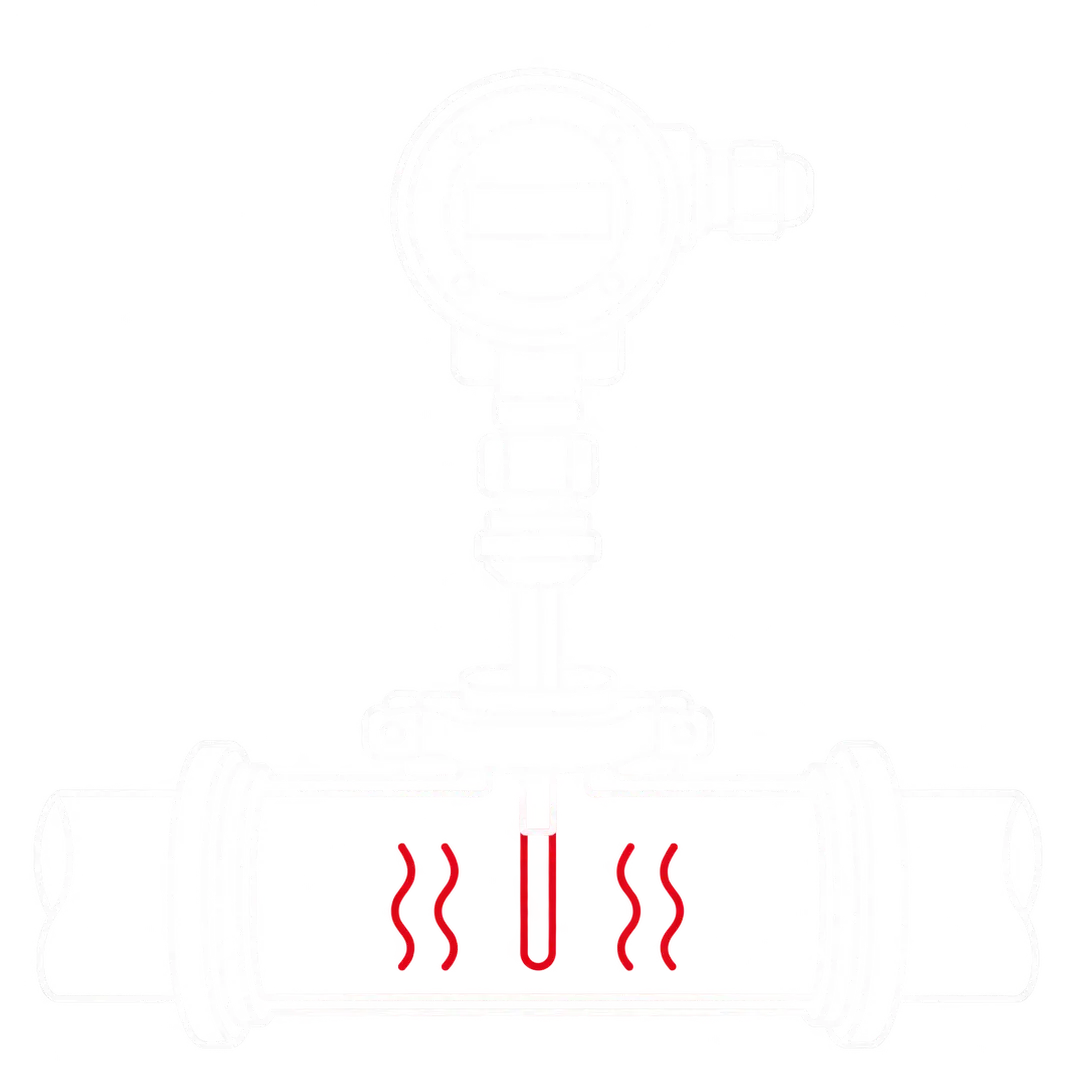
We work with RTDs, sanitary temperature transmitters, thermowells, and related assemblies selected around response time, accuracy, cleanability, and CIP/SIP exposure. For critical thermal processes, calibration history and measurement repeatability become especially important because small errors can affect both process consistency and documented production records.
Flow, Pressure, and Level Instrumentation

Flow Measurement for Ingredient Dosing and Filling
Accurate flow measurement affects batching, blending, ingredient dosing, CIP chemical use, filling, and utility consumption. Errors in flow can alter formulation ratios, create inconsistent batches, or produce avoidable giveaway when filling operations do not repeat accurately.
Read More
Our engineers evaluate product viscosity, conductivity, entrained air, solids content, temperature, and required turndown before choosing a flow technology. Depending on the application, Coriolis, magnetic, ultrasonic, or another meter type may provide the best combination of sanitary design, repeatability, and process performance.
Sanitary Pressure and Level Measurement
Pressure and level instruments often operate directly on tanks, vessels, fillers, balance tanks, and process lines where hygiene and product buildup are important concerns. A conventional sensor recess can trap thick products, while temperature changes during cleaning can introduce drift if the diaphragm and fill system are poorly matched.
Read More
We can specify sanitary pressure transmitters, flush diaphragm assemblies, radar level devices, hydrostatic systems, and other instrumentation based on vessel geometry and media properties. For foaming, viscous, sticky, or variable-density products, we evaluate the sensing principle carefully so operators receive useful data instead of unstable readings.
Batch Consistency and Product Traceability
Repeatable instrumentation helps plants control more than individual process variables. Consistent measurements support batch-to-batch reproducibility, ingredient accountability, tank inventory, filling accuracy, pasteurization records, and production traceability.
We look at how each sensor feeds the larger control and quality system. A measurement point may need to provide 4-20 mA HART data, communicate digitally with a PLC or DCS, feed a historian, or support audit documentation, so we address those requirements during specification rather than after the device has already been installed.
PLC, SCADA, and Digital System Integration
Sanitary instrumentation still needs to communicate reliably with the plant’s automation architecture. Incorrect scaling, signal conversion, device configuration, or network setup can compromise otherwise accurate measurements and create unnecessary startup delays.
Our team supports integration with PLC, SCADA, and DCS environments using applicable industrial communication methods. We can assist with configuration, signal verification, diagnostics, and commissioning so process values move cleanly from the sensor to the operator interface and data-recording systems.
NIST-Traceable Calibration for Critical Measurement Points
Calibration is especially important where measurements affect thermal processing, filling, batching, quality documentation, or regulatory records. Sensor drift can develop slowly through repeated heating, cooling, vibration, and cleaning cycles, making periodic verification necessary even when the instrument appears to be functioning normally.
We provide local calibration support with NIST-traceable documentation for applicable instrumentation. As-found and as-left records can help quality and maintenance teams maintain audit-ready files and support programs associated with SQF, BRCGS, FDA requirements, and internal quality systems.
Local Engineering Support Across the Tri-State Region
Food and beverage instrumentation problems often need to be evaluated in the field. Mounting geometry, cleaning practices, piping layout, product behavior, and actual temperature cycles can all influence sensor performance in ways that are difficult to diagnose from specifications alone.
Our team provides onsite application support, calibration, startup assistance, and troubleshooting throughout Greater Cincinnati, Northern Kentucky, and surrounding Ohio Valley processing facilities. That local presence gives maintenance and I&C teams access to engineers who understand both the instrumentation and the production environment around it.
Why Food and Beverage Plants Choose M. L. Johnson Company
M. L. Johnson Company has supported process industries since 1964, giving us more than 60 years of experience with measurement, automation, control valves, and process instrumentation. We also approach sanitary applications by considering hygiene, measurement accuracy, cleaning cycles, control-system integration, and long-term maintenance together. That combination allows us to support both new sanitary process lines and existing systems where measurement drift, product buildup, washdown damage, or difficult integration is affecting reliability.
Our capabilities include:
- Sanitary flow, pressure, temperature, and level instrumentation
- Hygienic sensors and flush-mount designs
- 316L stainless steel wetted components
- Low-Ra surface finish options
- Food-contact elastomer selection
- Tri-Clamp, Varivent, SMS, and similar sanitary connections
- CIP and SIP-resistant instrumentation
- Batch and filling measurement
- Pasteurization temperature instrumentation
- PLC, SCADA, and DCS integration
- NIST-traceable calibration support
- Onsite troubleshooting and commissioning
Sanitary instruments typically use hygienic wetted materials, cleanable surface finishes, sanitary process connections, and designs that minimize product entrapment. The exact requirements depend on the product, cleaning method, temperature, and facility standards.
Yes, we can specify instruments designed for aggressive washdown chemicals and elevated cleaning temperatures. We evaluate the full cleaning cycle, including thermal shock, chemical exposure, gasket compatibility, and steam temperature.
Yes, we support applications involving sauces, syrups, dairy products, slurries, and other viscous media. Flush diaphragms, appropriate flow technologies, and gap-minimized connections can help reduce product buildup and measurement problems.
Yes, we provide temperature measurement and calibration support for critical thermal processes. We can help specify sensors around accuracy, response time, hygienic design, and repeated CIP/SIP exposure.
Yes, NIST-traceable calibration support is available for applicable instrumentation. Documentation can include recorded calibration results to support plant quality and audit requirements.
Yes, we support integration with PLC, SCADA, and DCS environments using applicable analog and digital communication methods. We can also assist with configuration, signal verification, and startup.
Engineer Sanitary Instrumentation Around the Product and the Process
Reliable food and beverage instrumentation has to satisfy several demands at once: accurate measurement, hygienic construction, washdown resistance, thermal stability, and dependable communication with the control system. At M. L. Johnson Company, we combine more than 60 years of process expertise with sanitary sensor selection, application engineering, calibration, integration, and local field support for facilities throughout Cincinnati and the broader Ohio Valley. So whether you’re upgrading a filling line, improving batch consistency, replacing sensors damaged by CIP cycles, or designing a new hygienic process, contact our team today to specify instrumentation around the way your plant actually operates.